
From Messy Records to Loan-Ready Finances
If your books feel like a pile of receipts, bank alerts, and half-finished spreadsheets, you're not alone. A lot of owners run the business first and clean up the accounting later. That works until you need capital. Then the lender asks for statements, aging reports, and support behind the numbers, and suddenly the mess becomes expensive.
A ledger is what turns that mess into a usable financial record. The general ledger is the main accounting record that organizes transactions into assets, liabilities, equity, income, and expenses, and supports the trial balance, balance sheet, and income statement, as explained in Alaan's overview of general ledgers. Around it sit more detailed records, such as accounts receivable, accounts payable, payroll, and fixed assets. Those details matter because lenders don't just want revenue totals. They want to see how your business moves money.
If you're working with Business Loan Warrior, clean ledgers do more than help with bookkeeping. They help you explain cash flow, collateral, repayment capacity, and operating discipline. That's what gets a file from “needs clarification” to “ready for underwriting.”
Below are eight practical examples of ledgers small businesses should understand and maintain. For each one, I'll show what it's for, what a simple version looks like, and which financing product it supports best.
Table of Contents
- 1. General Ledger (GL)
- 2. Accounts Payable Ledger
- 3. Accounts Receivable Ledger
- 4. Fixed Asset Ledger
- 5. Cash Ledger (Bank Reconciliation Ledger)
- 6. Sales Ledger (Revenue Ledger)
- 7. Expense Ledger (Operating Expense Ledger)
- 8. Subsidiary Ledgers (Detailed Support Ledgers)
- Comparison of 8 Ledger Types
- Your Ledgers Are Your Loan Application's Best Friend
1. General Ledger (GL)
A lender asks for your financials on Tuesday. By Wednesday, they want to know why your balance sheet shows one loan balance, your bank statements show another, and interest expense is buried inside a generic account. That problem usually starts in the general ledger.
The general ledger is the central record for the business. It groups every transaction into the accounts that feed your balance sheet and income statement, so the numbers you hand to a lender can be traced back to the source. For small business owners trying to secure funding, that matters because underwriters do not just review revenue and profit. They check whether debt, cash, owner draws, and operating costs are recorded clearly and consistently.
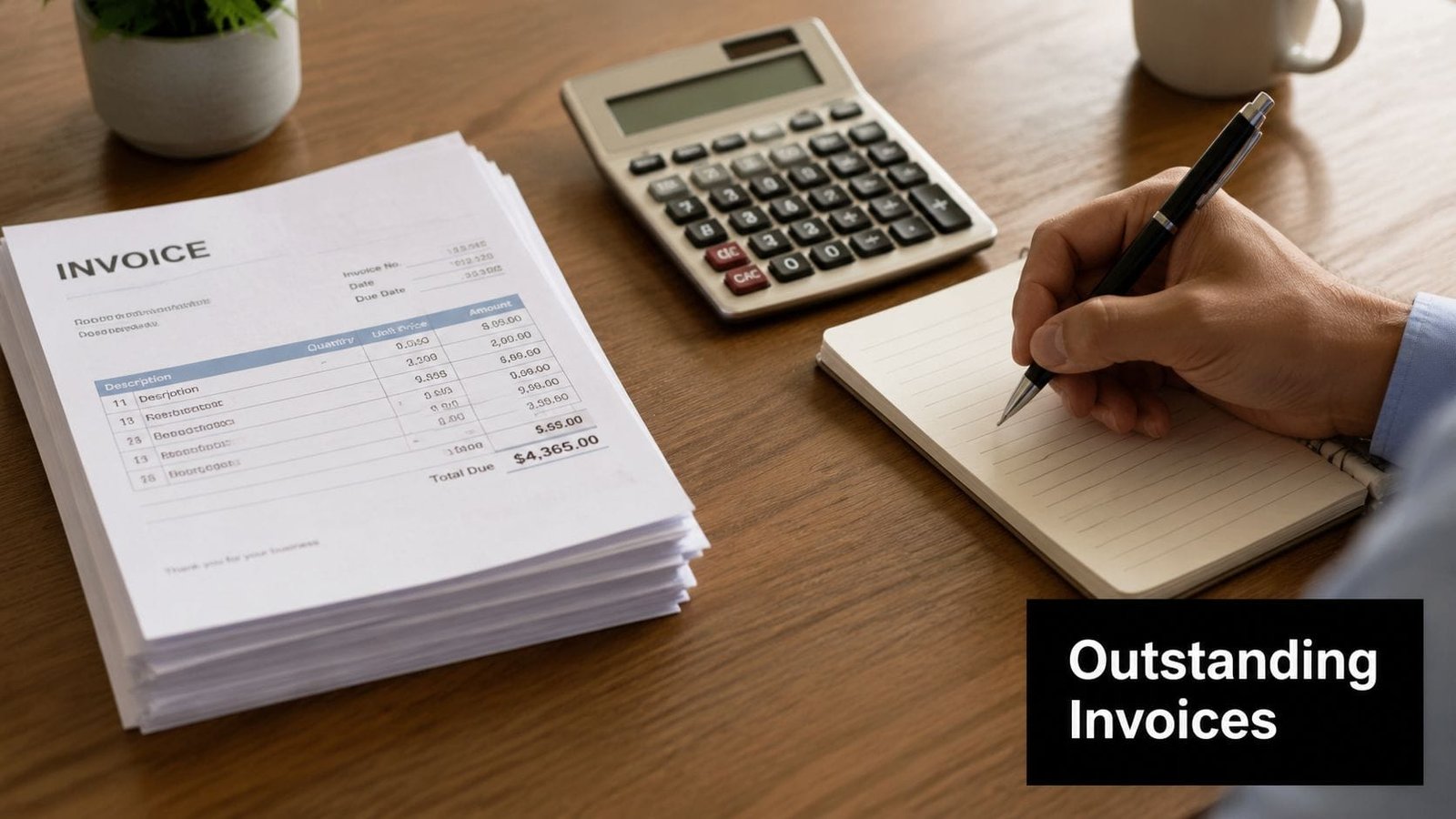
What it tracks
The GL records the full story of the business in account form. That includes sales, rent, payroll, taxes, loan proceeds, loan payments, interest expense, owner contributions, and asset purchases. It also reflects the double-entry logic underneath each transaction, which is why a clean GL gives lenders more confidence than a spreadsheet full of uncategorized bank activity.
Here is the practical test I use. If a banker asks, “Show me where this equipment loan was recorded and how the monthly payment hits the books,” you should be able to answer in under a minute.
A retailer may use the GL to separate inventory purchases, equipment financed through a term loan, and the related interest expense. A restaurant may post daily POS batches to revenue accounts while keeping merchant fees, payroll taxes, and debt service in their own lines. A service firm may need separate liability accounts for a line of credit, an SBA loan, and owner loans so the debt picture is clear during underwriting.
Clean GL structure also affects which financing options fit your business. A lender reviewing a term loan or SBA application will use the GL to verify debt obligations, recurring expenses, and owner equity. If those accounts are mixed together, the file takes longer to review and more questions follow.
Simple template
A useful GL format is straightforward:
- Date: When the transaction posted
- Account name: Cash, loan payable, sales revenue, rent expense, payroll expense, interest expense
- Debit: The amount recorded on the debit side
- Credit: The amount recorded on the credit side
- Description: Plain-English note about the business purpose
- Reference: Invoice number, bank transaction ID, journal entry number, or loan note
Here is where many owners create avoidable problems. They keep a chart of accounts that is either too vague or too cluttered. “Miscellaneous liability” tells a lender almost nothing. Ten near-duplicate expense accounts create a different problem. They make reporting harder and increase coding mistakes.
Use a lean account structure with clear debt categories. Keep business loan principal, interest, owner contributions, and owner draws separate. If you want a practical outside reference on GL setup, Jumpstart Partners has useful general ledger insights.
If your bookkeeping process still depends on invoices and approvals moving by email, it is also worth reviewing what is AP automation, because cleaner payables workflows usually lead to cleaner ledger entries as well.
2. Accounts Payable Ledger
An accounts payable ledger shows who you owe, how much you owe, and when those bills come due. For many owners, operational reality shows up faster in the accounts payable ledger than on the income statement. If AP is disorganized, cash stress is usually close behind.
A restaurant's AP ledger may include food distributors, linen service, beverage vendors, and equipment maintenance providers. A retailer may have inventory suppliers, freight bills, packaging vendors, and store utilities. A service company may track software subscriptions, contract labor, legal bills, and landlord invoices.
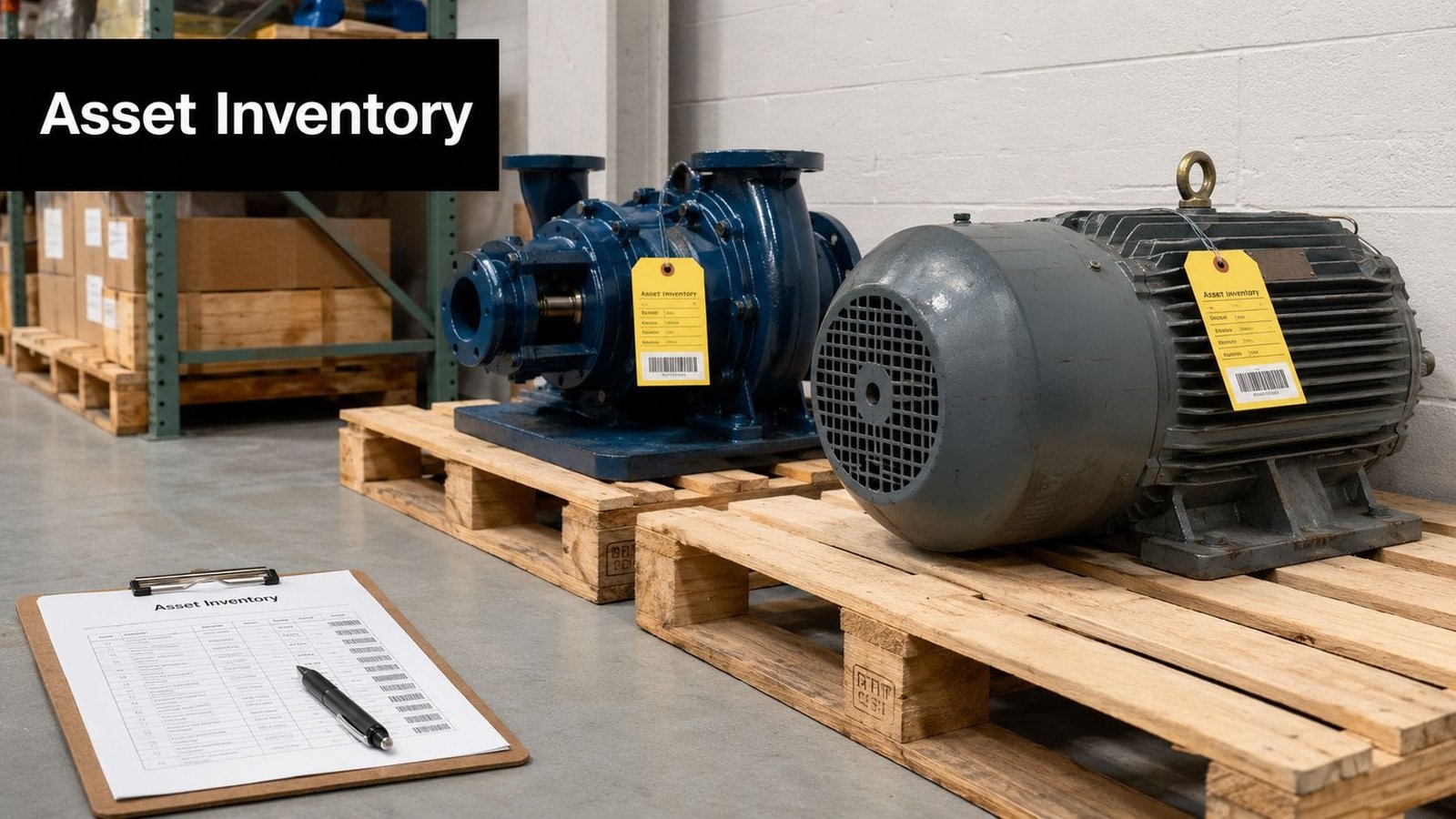
Where owners get this wrong
The most common mistake is treating AP like a pile of PDFs in email. That might feel manageable until a lender asks whether you're current with critical vendors. Then you're searching inboxes instead of answering clearly.
A strong AP ledger helps with working capital loans because it shows payment discipline and vendor stability. It also supports short-term financing decisions when you need to bridge timing gaps without damaging supplier relationships.
- Vendor name: Keep legal names consistent.
- Invoice date: Record when the obligation started.
- Due date and terms: Net terms matter for cash planning.
- Amount due: Track open balance, not just original invoice.
- Status: Open, scheduled, paid, disputed.
A clean AP ledger tells a lender you manage obligations on purpose, not by surprise.
Simple template
Use one row per invoice, not one row per vendor balance if you want real visibility. Review it at least monthly and separate critical suppliers from flexible ones. That distinction matters when cash tightens.
Owners also do well when they tie AP review to financing strategy. If payables are stretching because inventory arrives before revenue does, a line of credit may fit better than scrambling each month. If you're exploring process improvements, this overview of AP automation gives a practical starting point.
3. Accounts Receivable Ledger
The accounts receivable ledger tracks what customers owe you. In practice, this is one of the most lender-sensitive examples of ledgers because it connects directly to cash conversion. Sales don't repay debt. Collected cash does.
A consulting firm may have milestone invoices outstanding across several clients. A wholesaler may carry open invoices for repeat buyers on standard terms. A commercial services business may invoice monthly contracts and monitor who always pays late versus who pays predictably.
Why lenders care
If you're seeking invoice financing or a line of credit, the AR ledger becomes part of your story. It shows customer concentration, invoice aging, payment behavior, and whether your revenue is collectible or just booked.
That's why the detail matters. Lenders want more than “accounts receivable” on the balance sheet. They want customer-level support, invoice dates, due dates, payments received, and unapplied credits. If you need help presenting that clearly, use this guide on writing the AR aging narrative your lender wants to read.
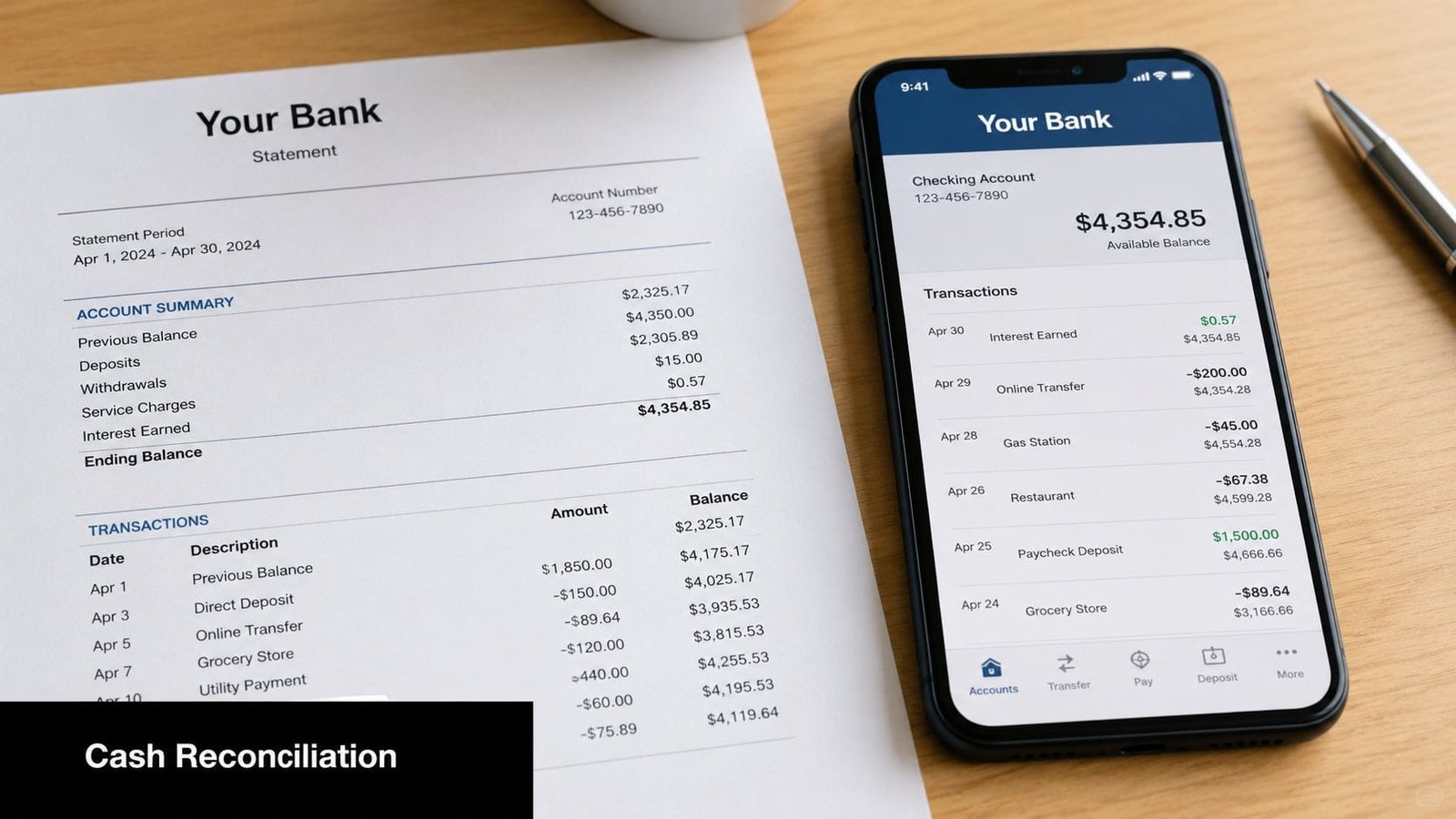
Simple template
A useful AR ledger usually includes:
- Customer name: Match contracts and invoices.
- Invoice number: Make support easy to trace.
- Invoice date and due date: Aging depends on both.
- Original amount: Start with the billed amount.
- Payments received: Apply cash correctly.
- Open balance: Show what remains collectible.
- Notes: Disputes, promised payment dates, credit holds.
What works is weekly attention. What doesn't work is letting old invoices pile up while assuming they're still good collateral. If a customer disputes work, that invoice may not support financing the way you hoped. For funding, strong AR often aligns well with invoice financing and sometimes revolving credit when collections are steady.
4. Fixed Asset Ledger
The fixed asset ledger tracks long-term assets such as equipment, vehicles, furniture, leasehold improvements, and other items the business uses over time. This ledger matters any time you want financing tied to collateral, especially equipment loans, expansion financing, or acquisition funding.
A manufacturer might list production equipment by serial number and location. A construction company may track trucks, trailers, compressors, and larger machinery. A restaurant could record ovens, refrigeration, point-of-sale hardware, and dining room fixtures.
What belongs here
The ledger should show when you acquired the asset, what it cost, where it's located, and how it's being depreciated. Small businesses often keep some of this in tax workpapers and some in memory. That's not enough when a lender wants a clean collateral package.
This is also where owners can separate assets bought with cash from assets financed through debt. That distinction helps when existing liens, replacement cycles, and future borrowing capacity come into the conversation.
Lender lens: A fixed asset ledger doesn't just prove ownership. It shows whether you manage collateral like an operator or like a collector of receipts.
Simple template
Include these fields:
- Asset description: Be specific enough to identify it.
- Acquisition date: Needed for records and depreciation.
- Cost basis: Use the original booked amount.
- Location or department: Useful for verification.
- Condition and notes: Keep maintenance context handy.
- Accumulated depreciation and book value: Support reporting.
If you're planning to use equipment financing strategically, this resource on the strategic use of business equipment loans is worth reviewing before you apply. What works here is discipline. Tag assets, keep invoices, and update disposals promptly. What doesn't work is leaving sold, scrapped, or replaced equipment on the books for years.
5. Cash Ledger (Bank Reconciliation Ledger)
Cash is where accounting theory meets reality. You can show profit and still miss payroll if the cash ledger is sloppy. This ledger tracks deposits, withdrawals, transfers, fees, outstanding items, and the differences between your books and the bank.
Owners often think the bank balance is enough. It isn't. A cash ledger explains timing. It shows whether deposits in transit, uncleared checks, returned payments, or internal transfers are distorting the picture.
For businesses juggling debt payments, seasonal swings, and multiple accounts, this ledger often tells the clearest underwriting story.
What clean cash records reveal
A retailer may reconcile POS settlements to daily bank deposits. A service company with several locations may track transfers between operating and payroll accounts. A restaurant may need to compare card batches, delivery platform deposits, and bank credits to make sure revenue landed where expected.
Distributed ledger technology has even been used by banks in live workflows such as clearing and settling repo trades, inter-affiliate transfers, sharing payments-related information, and instant payments through programmable tokenized deposits and smart contracts, according to BPI's case study on bank use of distributed ledger technology. Small businesses don't need that complexity, but the lesson is useful. Good ledger design supports trustworthy movement of money.
Here's a short walkthrough that pairs well with this topic:
Simple template
A practical cash ledger tracks:
- Bank account name: Separate operating, payroll, reserve, and loan accounts.
- Book transaction date: When you recorded it.
- Bank cleared date: When the bank recognized it.
- Amount in or out: Keep direction clear.
- Description: Deposit batch, transfer, fee, vendor payment, loan debit.
- Reconciling status: Cleared, outstanding, under review.
If your goal is loan readiness, tighten this ledger first and then review how to optimize business bank statements for loan success. What works is weekly reconciliation. What doesn't work is waiting until month-end close to discover cash issues that affected repayment capacity two weeks earlier.
6. Sales Ledger (Revenue Ledger)
The sales ledger is where you prove that revenue is real, repeatable, and understandable. It records sales by customer, product or service, invoice, receipt status, and often channel. For a growth lender, this matters because revenue quality is different from revenue quantity.
A SaaS company may separate subscription revenue from implementation work. A retailer may track in-store, ecommerce, and wholesale sales. A professional services firm may split recurring retainers from project-based billings.
What makes it useful
A sales ledger is most powerful when it helps someone outside the business understand your revenue engine quickly. If one customer drives a large share of sales, the ledger should make that obvious. If sales are seasonal, it should show the pattern. If revenue is diversified across many customers and channels, that should also be easy to see.
Some owners try to keep this high-level because they think less detail means fewer questions. In lending, the opposite is often true. Clean detail answers questions before they become objections.
- Customer or channel: Identify where revenue comes from.
- Invoice or order reference: Tie sale to support.
- Date: Track timing and trend.
- Amount: Keep gross sale and adjustments visible.
- Status: Billed, paid, partially paid, refunded, credited.
Revenue that's organized by source is easier to finance than revenue explained only in broad monthly totals.
Simple template
This ledger lines up well with growth loans, merchant cash advances, and some working capital products. It also helps when you need to explain why a strong month was strong. Was it one contract, a seasonal surge, or a stable underlying trend?
What works is consistent categorization by product line, customer segment, and payment status. What doesn't work is merging all sales into one undifferentiated bucket and expecting underwriters to infer the pattern on their own.
7. Expense Ledger (Operating Expense Ledger)
A strong expense ledger shows whether the business controls spending or just records it after the fact. That distinction matters when lenders evaluate repayment ability. A company that understands its costs can usually explain margin pressure, pricing decisions, and the effect of new debt more clearly.
Restaurants often need granular expense records because food, labor, rent, and occupancy costs move for different reasons. Retailers usually need visibility into staffing, freight, marketing, subscriptions, and store-level overhead. Service firms benefit from separating payroll, contractor expense, travel, software, and client delivery costs.
What lenders read between the lines
Underwriters often learn as much from expense organization as from the totals themselves. If insurance, payroll taxes, subscriptions, and one-time repair costs are all buried in “miscellaneous,” the file looks unmanaged. If expenses are categorized consistently, the business looks financeable.
This is also where many owners should track loan-funded spending separately from normal operations. If you borrowed for expansion, the expense ledger should help show what those funds supported and whether the spending translated into stronger operations.
Keep fixed costs and variable costs distinct. It makes cash flow conversations far easier when a lender asks what can change quickly and what can't.
Simple template
A practical expense ledger includes:
- Vendor or payee: Who received the money.
- Category: Rent, payroll, insurance, utilities, software, repairs, supplies, and similar lines.
- Date paid or incurred: Pick a method and stay consistent.
- Amount: Gross amount and any split coding.
- Department or location: Helpful for multi-unit businesses.
- Funding note: Mark loan-funded or operating-funded when relevant.
For lending, this ledger supports term loans, SBA applications, and lines of credit because it helps translate raw spending into debt service logic. What works is monthly review with reclassification when needed. What doesn't work is treating expense cleanup as something your CPA will fix once a year.
8. Subsidiary Ledgers (Detailed Support Ledgers)
If the general ledger is the map, subsidiary ledgers are the street view. They sit underneath major accounts and hold the transaction detail that the GL can't carry efficiently. Common examples include accounts receivable, accounts payable, fixed assets, inventory, purchases, and payroll support.
That distinction matters because many articles on examples of ledgers stop at account names. In practice, businesses rely on the general ledger plus subledgers. Accounting references note that the GL is the main record while subledgers such as accounts payable, accounts receivable, fixed assets, inventory, and purchases capture the detail that doesn't belong line by line in the GL, as discussed in HighRadius's explanation of subledger vs. general ledger.
When a subledger becomes necessary
You don't need a subledger for every account on day one. You do need one when the transaction volume, audit trail, or decision-making need outgrows a simple summary account.
A business with a handful of customers might manage with a lean receivables setup. A business with many customers, vendors, or assets usually can't. Once the details become too dense for the general ledger to stay readable, a subledger isn't optional anymore. It's how you stay accurate.
Modern ledger design also keeps evolving. Historical examples show ledgers were already substantial business records centuries ago. Modern Treasury points to an Italian banking ledger from 1593–1595 that is over 19 inches tall, and it describes the three qualities of modern financial ledgers as immutable, double-entry, and scalable in its history of ledgers review. That same idea carries into current systems where organizations may separate monetary and statistical records in different ledgers.
Simple template
A subsidiary ledger should mirror the needs of the parent account. For example:
- AR subledger: Customer, invoice, due date, payment status.
- AP subledger: Vendor, invoice, terms, due date, payment status.
- Inventory subledger: SKU, quantity, cost, location, movement.
- Fixed asset subledger: Asset ID, cost, location, depreciation support.
What works is reconciling subledgers to the GL regularly. What doesn't work is letting the summary account drift away from the detail. If those two don't match, your statements become harder to trust and your financing file becomes harder to defend.
Comparison of 8 Ledger Types
| Ledger | 🔄 Implementation Complexity | ⚡ Resource Requirements | 📊 Expected Outcomes (⭐) | Ideal Use Cases | 💡 Key Advantages / Tips |
|---|---|---|---|---|---|
| General Ledger (GL) | High, centralized reconciliations and chart of accounts | Moderate–High, accounting software + skilled staff | Complete financial overview and audit trail ⭐⭐⭐⭐⭐ | All businesses for reporting, tax prep, loan underwriting | Reconcile monthly; integrate GL with subsidiary ledgers |
| Accounts Payable Ledger (AP) | Medium, vendor tracking and aging processes | Moderate, AP automation speeds processing | Clear view of payables and payment discipline ⭐⭐⭐⭐ | Vendor-heavy firms, working capital planning, lender due diligence | Keep AP current; use automated reminders and early-pay strategies |
| Accounts Receivable Ledger (AR) | Medium, aging and collections management | Moderate, billing system + collections tools | Demonstrates revenue capacity; enables invoice financing ⭐⭐⭐⭐ | B2B, service firms, companies seeking invoice financing | Monitor aging weekly; automate reminders and offer early-pay incentives |
| Fixed Asset Ledger | Medium–High, depreciation schedules and verification | Moderate, asset tagging, physical counts, asset software | Collateral documentation and accurate book values ⭐⭐⭐⭐ | Equipment/construction loans, acquisitions, collateral valuation | Maintain photos, annual counts, and realistic depreciation methods |
| Cash Ledger (Bank Reconciliation) | Low–Medium, frequent reconciliation of bank activity | Low–Moderate, bank feeds + reconciliation tool | Real-time cash flow visibility and repayment capacity ⭐⭐⭐⭐⭐ | Any business managing loan repayments or multiple accounts | Reconcile weekly; separate loan escrow accounts to avoid commingling |
| Sales Ledger (Revenue) | Medium, revenue recognition and trend tracking | Moderate, sales/ERP integration and reporting | Revenue trends and scalability metrics for lending ⭐⭐⭐⭐ | SaaS, retail, revenue-based lending, growth financing | Track by customer/product; normalize seasonal sales for lenders |
| Expense Ledger (Operating) | Low–Medium, consistent categorization required | Low–Moderate, expense tracking tools and reviews | Insight into profitability and debt service capacity ⭐⭐⭐⭐ | All businesses for budgeting and loan underwriting | Use standard categories; prepare 12-month expense projections |
| Subsidiary Ledgers | High, transaction-level detail and frequent reconciliations | High, automation/database management for many accounts | Detailed support for GL and stronger lender due diligence ⭐⭐⭐⭐ | Complex orgs, high-volume customers/vendors, audit-heavy cases | Automate updates, reconcile to GL monthly, archive historical ledgers |
Your Ledgers Are Your Loan Application's Best Friend
These eight ledgers do more than keep the books straight. Together, they turn your business into something a lender can evaluate. The general ledger shows the full structure. AP shows how you manage obligations. AR shows how you convert sales into cash. Fixed assets support collateral discussions. Cash proves timing and liquidity. Sales and expense ledgers reveal whether performance is stable and understandable. Subsidiary ledgers provide the backup that makes the whole picture credible.
That's the practical value behind studying examples of ledgers. You're not doing this to build prettier accounting files. You're doing it so your business can answer financing questions fast and with confidence. When an underwriter asks why receivables rose, why margins changed, or what assets support the request, your ledgers should make the answer obvious.
There's also a strategic side to this. Different ledgers naturally connect to different loan products. A healthy AR ledger can support invoice financing. A reliable sales ledger can strengthen working capital conversations. A detailed fixed asset ledger helps with equipment loans. A disciplined cash ledger supports repayment analysis for term debt or a line of credit. When owners match the right ledger to the right financing product, the application gets more focused and the conversation gets more productive.
That's one reason subledgers deserve more attention than they usually get. The general ledger remains the main record, but businesses often need supporting ledgers underneath it to handle operational detail cleanly. Federal accounting takes the standardization idea even further. The U.S. Standard General Ledger is a government-wide chart-of-accounts framework used to create consistent reporting across agencies, with Treasury providing guidance and required submission templates through the U.S. Standard General Ledger program. Small businesses don't need federal complexity, but they do benefit from the same discipline: consistent categories, repeatable reporting, and support behind the totals.
One more point matters heading into 2026. Modern ledger discussions increasingly focus on messy operational realities, not just textbook journal entries. Recent commentary highlights the value of clearing accounts, suspense accounts, and statistical accounts in handling incomplete or delayed data, which DualEntry's discussion of modern general ledgers frames as a gap in many traditional explainers. In real businesses, the cleanest books aren't the ones without complexity. They're the ones that contain complexity without losing control.
If your records are scattered today, start with one ledger and tighten it. Then move to the next. Loan-ready finances are usually built that way. Not in one heroic cleanup weekend, but through a system that makes the numbers trustworthy month after month.
If you're ready to turn cleaner books into better funding options, Business Loan Warrior can help you move from disorganized records to a clearer borrowing strategy. You can check pre-approval through a single no-fee application, connect accounts securely, and use the platform to pursue the product that best fits your ledger strength, whether that's invoice financing, equipment funding, a line of credit, SBA support, or short-term working capital.